
 XL
XL
Prices
What an American Bully Costs
The real market range, why the spread is so wide, what the first year actually costs, and where my $700 sits in it.
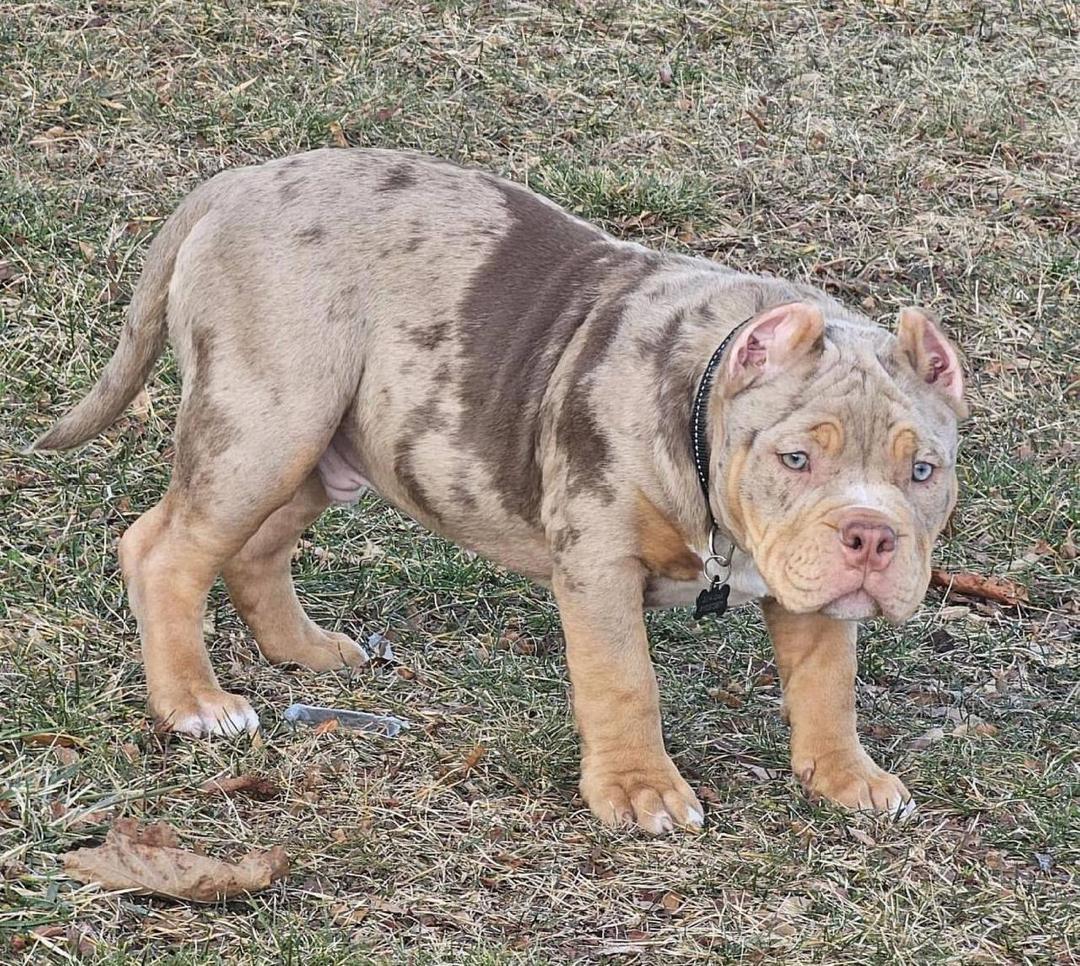
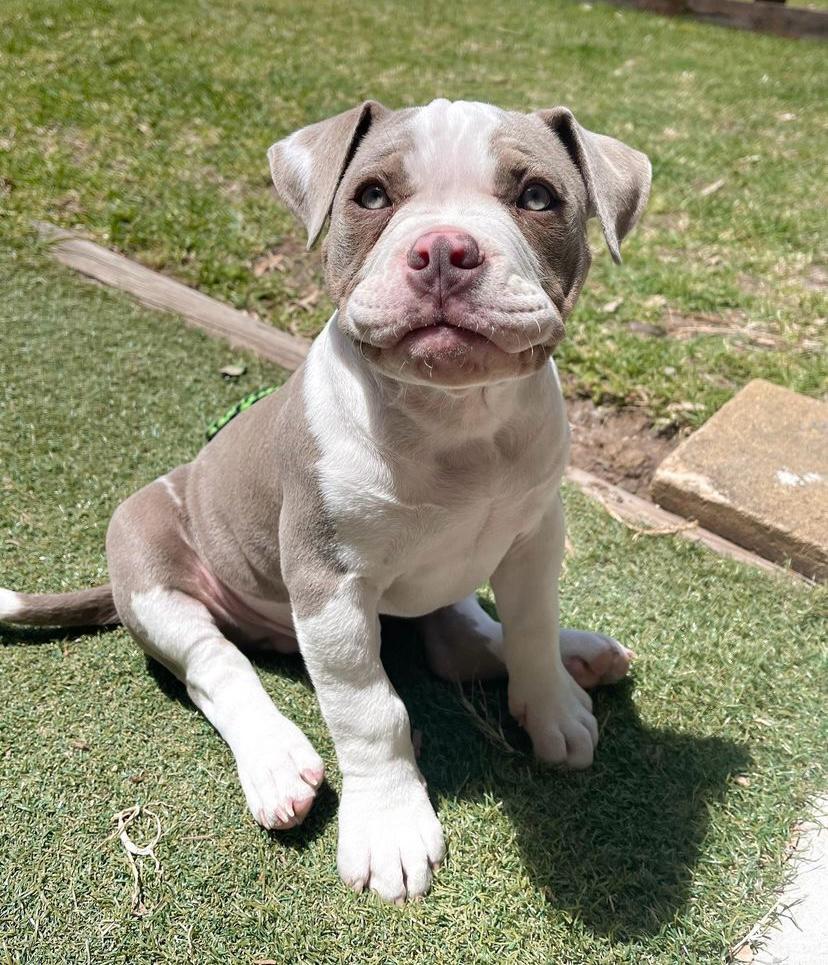
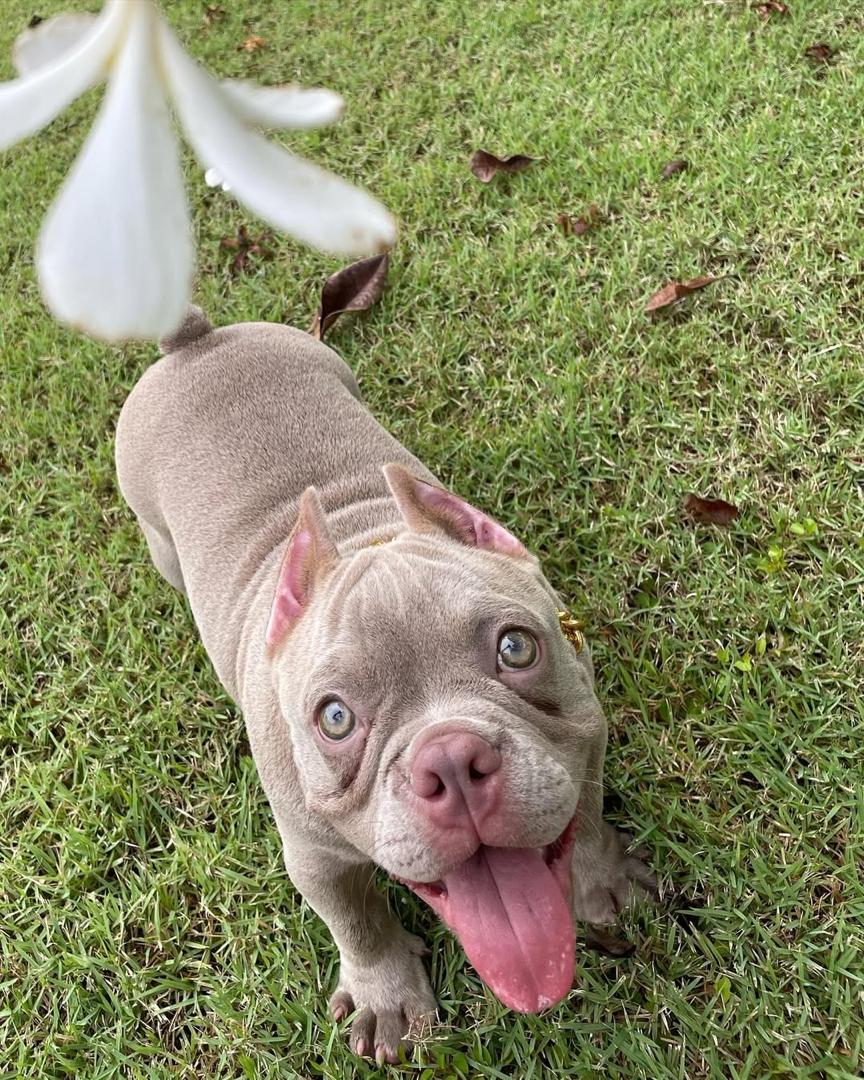
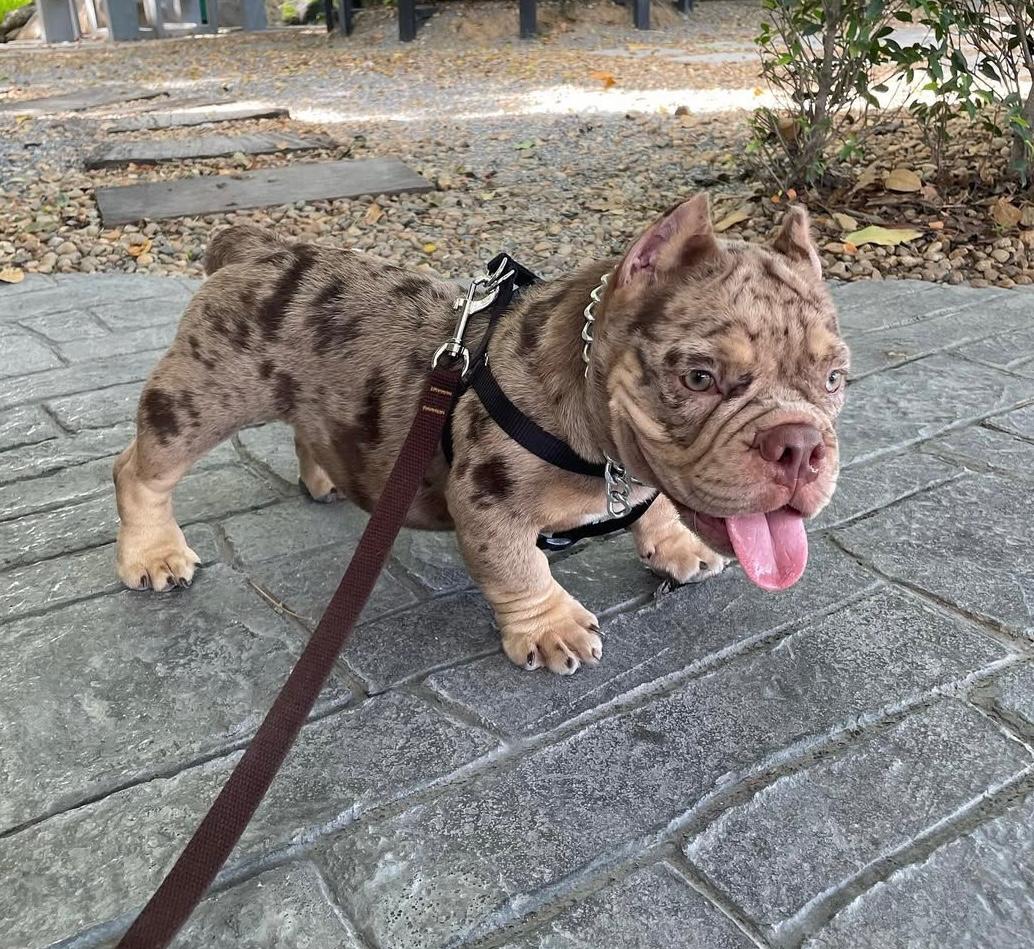
American Bully puppies sell for roughly $800 to $3,500 across the United States, with fashionable colors and heavily marketed bloodlines running far higher. The spread is enormous for what’s often the same dog. Mine are $700 for every puppy, every size class and every color, and the rest of this page explains both what drives the market number and what the first year costs on top of whatever you pay.
What the market actually charges
| Where you’re buying from | Typical range | What you’re paying for |
|---|---|---|
| A shelter or rescue | $50 to $400 | Adoption fee. Often an adult, often already neutered |
| A small independent breeder | $700 to $1,500 | The dog, and usually direct access to the person who raised it |
| An established kennel with a name | $1,500 to $3,500 | The dog, plus the reputation and the marketing behind it |
| Fashionable color or bloodline | $3,500 to $10,000+ | Scarcity and fashion. Not health, structure or temperament |
| A broker or listing site | $1,200 to $4,000 | The dog, plus a margin for somebody who didn’t breed it |
The important thing in that table is the bottom two rows. A great deal of what’s charged above about fifteen hundred dollars is buying scarcity and marketing rather than anything that reaches the dog. There’s no relationship between coat color and how long a dog lives or how it behaves, and I set that out in full on the colors page.
That doesn’t mean expensive kennels are dishonest. Plenty do genuinely good work and charge accordingly. It means the price tag on its own tells you very little, and the questions that do tell you something are free to ask.
What the first year actually costs
This is the figure almost nobody publishes, and it’s the one that matters, because the purchase price is the smallest line on it.
| What | Typical cost | Notes |
|---|---|---|
| The puppy | $700 | Mine. Every one, every class, every color |
| Neuter or spay | $250 to $600 | Ask your vet about timing for a large breed |
| First-year vet visits | $200 to $400 | Remaining vaccinations, checks, rabies |
| Flea, tick and worm | $150 to $300 | Year round in most of the country |
| Food | $400 to $900 | A dog reaching 70lb eats accordingly |
| Crate, bed, bowls, leads | $150 to $350 | One-time, and a crate is worth buying adult sized |
| Training class | $100 to $300 | Worth it on a strong breed. Not optional in my view |
| License and microchip | $20 to $80 | Microchip available here for an additional fee |
| Insurance, if you take it | $300 to $700 | Optional, and worth pricing before the dog arrives |
Realistically, budget $1,900 to $3,600 for the first twelve months including the puppy. The purchase price is somewhere between a fifth and a third of it. A person choosing between a $700 puppy and a $2,500 puppy is deciding about eight percent of what they will spend on the dog over its life, which is worth keeping in proportion.
Over ten to thirteen years, food, routine veterinary care, preventatives and the occasional problem add up to something in the region of $12,000 to $20,000. That’s the actual commitment, and it’s a better thing to be sure about than the deposit.
What makes one puppy genuinely worth more than another
Not much of what gets charged for, and a few things that rarely do.
- How it was raised. A puppy handled from birth in a house, around normal noise and normal people, is a materially different animal at a year old from one raised in a run. This is the largest real difference between two puppies and it’s almost never itemized.
- Veterinary work before the puppy leaves. Mine is examined by Bell Rock Veterinary Clinic, and the dates are on the record you take home.
- What happens if it goes wrong. I’ll take back any dog I’ve bred, at any point in its life, with no time limit and no questions asked.
- Seeing the dam. Mine lives here and you can see her in person or on a live video call, at whatever hour suits you.
Things that don’t make a puppy worth more: a rare color, a bloodline name in the advertisement, a claim of being the biggest, or a price that’s high enough to feel like a guarantee. I don’t screen or certify the parents here and don’t claim to, which is worth knowing when comparing me against a kennel that says it does. Ask them for the certificate and the registration number, and check it.
Where my $700 comes from
One kennel, one person raising the litters, no premises to rent and no staff to pay. What that saves isn’t spent on marketing and doesn’t go into a margin, so it comes off the price instead.
What it doesn’t buy you is less dog. The same vaccination schedule, the same clinic, the same written health record and the same takeback promise apply to every puppy here, and the price is identical whether the puppy is XL or pocket, blue or brindle. The longer answer to why it’s $700, and what XL specifically costs elsewhere.
Ask what the total would be for you
Tell me where you are and I’ll give you the puppy price, the delivery cost and an honest view of the first year, in one reply.